Size does matter when it comes to explosive hoses
Double the diameter cuts workload in half
It is sometimes just the simplest things that can make the biggest difference when working on labour-intensive tasks in mining.
At the OneSteel Manufacturing (Administrators Appointed) (OneSteel) iron ore mining operation at Southern Middleback Range (SMR), shot firers from contractor SRG were spending many days at a time loading blast holes with liquid explosive (emulsion) through a one-inch hose.
That was until someone from the team noticed the same loading work was being done elsewhere with a two-inch hose, utilising the same parameters SMR uses. Despite some scepticism, the SMR crew did its research with explosive supplier Orica and SRG and found it was being done at other mines and could be done at the Whyalla operations.
The workers on the hoses were rapt, it halved the time they were down in the holes loading explosive, not an easy task when dealing with poor ground conditions and handling these heavy hoses
Matt Vasey
OneSteel, SRG and Orica worked together with field trainers to trial the two-inch hose, calibrate the bomb truck to ensure accurate loading tonnes before committing to using it moving forward.
OneSteel Iron Ore Operations Superintendent Production Planning, Matt Vasey said the one-inch hose was starting to become problematic with manual handling issues and the time it was taking to load explosive on the contour shots in the recent DCS pioneering work.
“The shot firers approached us with their ideas about the process and we went into action in cooperation with SRG and Orica to find a solution,” Matt said.
“When you are loading a 12m bench, plus subdrill, and it’s 40 degrees in the shade, it becomes a real issue for the shot firers with the stress on their bodies and the time it was taking.
“These shot firers commonly have to load 150 to 250kg plus of explosive into these holes in what is a very repetitive task.
“Effectively halving the time it takes to fill these holes also reduces the incidence of hole collapse which improves quality control and blasting outcome.”
Matt said the changes came about through a project involving some innovative thinking and a combined effort with OneSteel staff and the shotties on the ground completing the work. He said the changes were welcomed by all involved and had created a safer, more efficient operation.
“The workers on the hoses were rapt, it halved the time they were down in the holes loading explosive, not an easy task when dealing with poor ground conditions and handling these heavy hoses,” he said.
“With less stress on the shot firers, a more efficient and quicker operation and the same result, it has been a big win for the operation and the operators.”
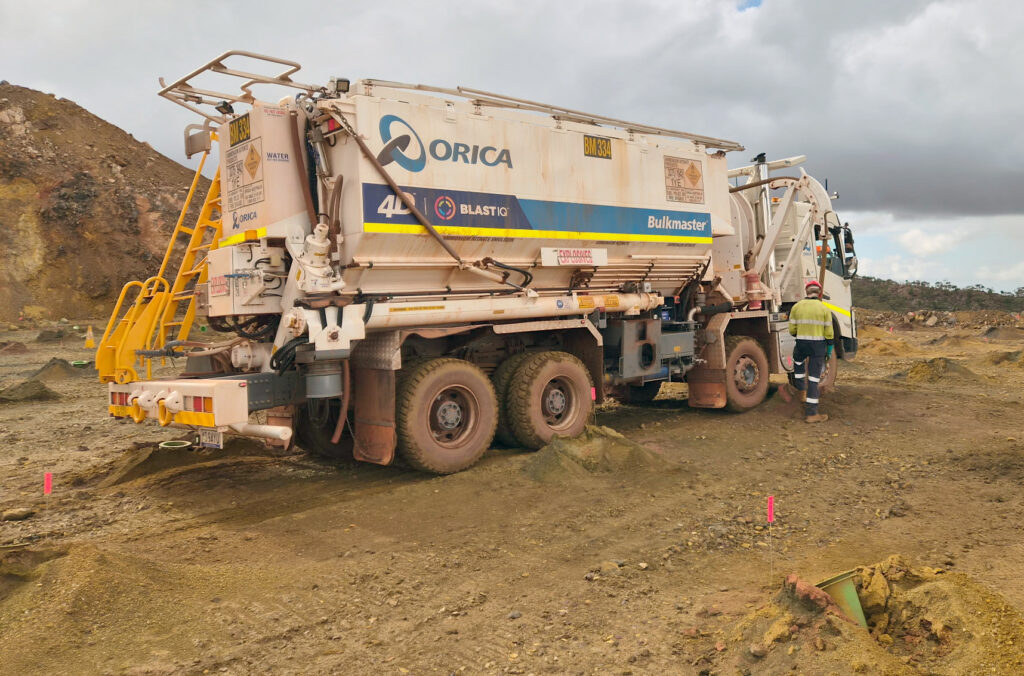
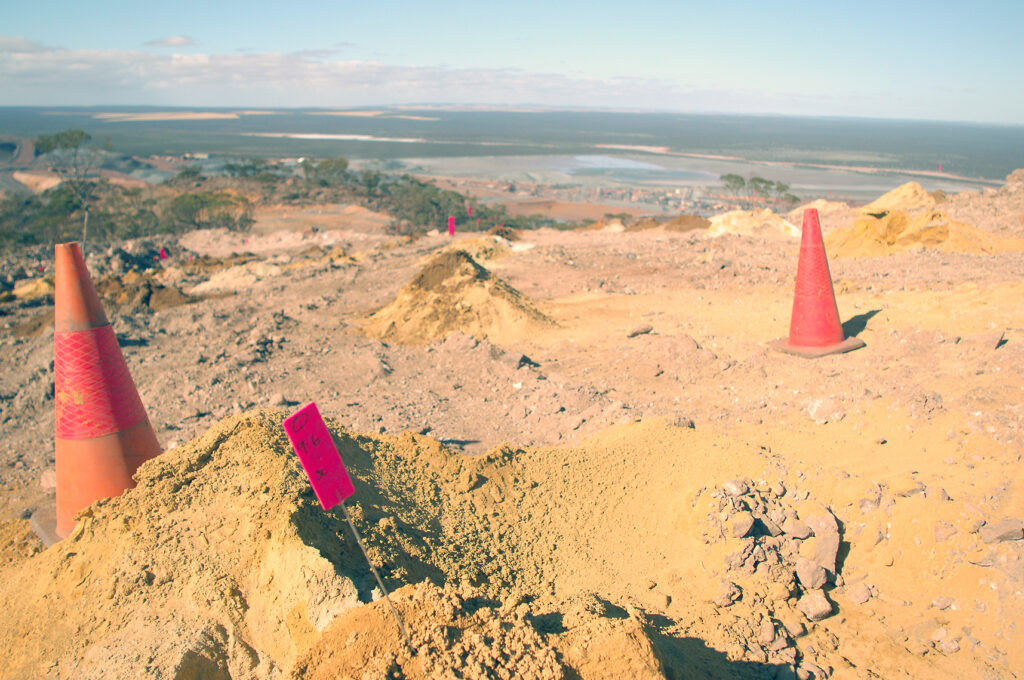
Pictures – Top right: A blast truck at the SMR operations. Bottom right: Blast holes at the South Duchess mine at SMR.