Reed Bed Treatment System
A vital element of the Whyalla Steelworks for over 55 years was its Cokemaking operation.
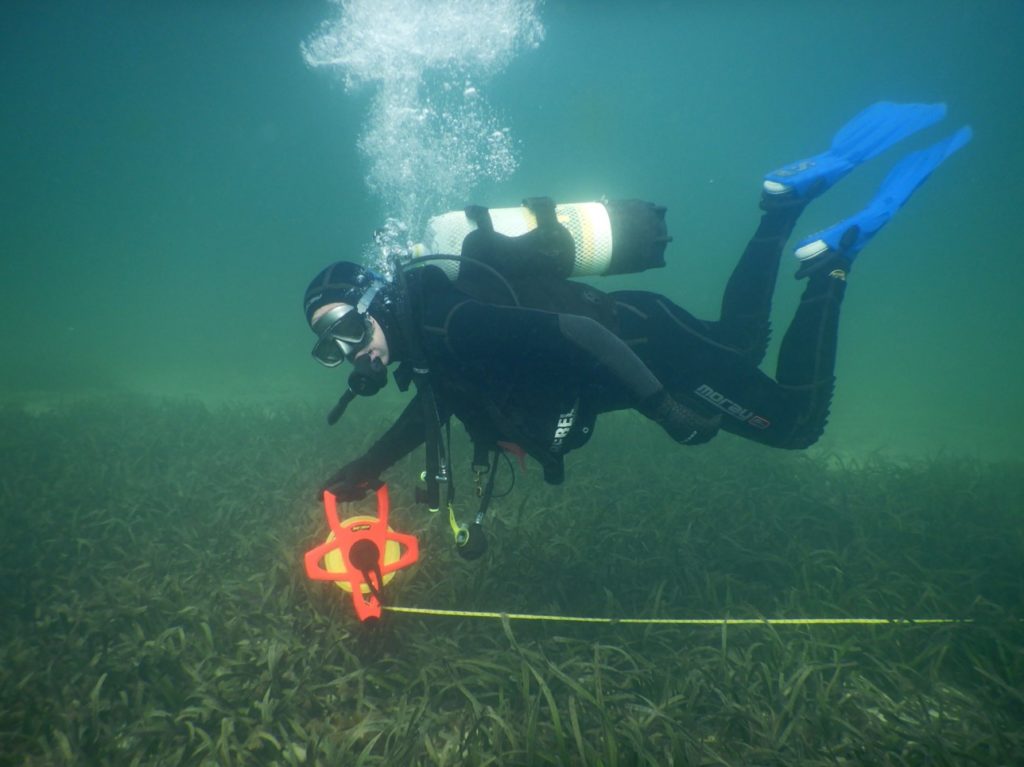
Coke is an essential ingredient in the ironmaking process, but during the production of coke for use in the Blast Furnace, the cokemaking process also produced a nitrogen-rich water as a by-product, some of which used to be discharged into the OneSteel tidal embayment leading into False Bay. Historically, the excess nitrogen in this discharge had an adverse effect on the seagrass within the area.
From the mid-1970s through to the mid-1990s, a series of pond systems and a sea wall were installed to help retain this discharge prior to entering the bay. This created a buffer zone in the form of the combined pond system and embayment where natural processes further reduced the available nutrient discharge load.
In the late 1990’s an engineered Reed Bed Treatment System (RBTS) was installed to achieve a step change in the level of nitrogen discharged. This system also subsequently allowed the treated effluent to be reused in the Coke Ovens process.
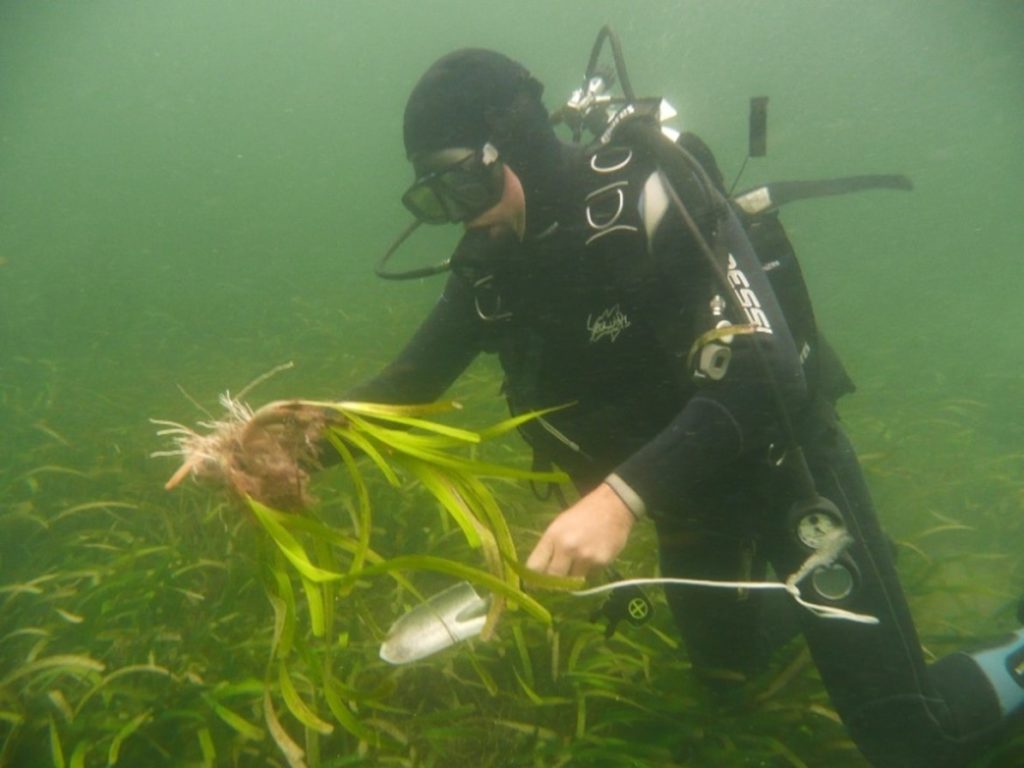
This load reduction – combined with the natural processes occurring within the embayment –not only resulted in great improvement in seagrass condition, but also a significant expansion in overall seagrass coverage and density. Working closely with the SA Environment Protection Authority (SA EPA), the Whyalla Steelworks environment team completed an extensive study into the remaining Cokemaking discharge which included a detailed assessment into the management and recovery of seagrass in the Upper Spencer Gulf, historically impacted by the nutrient discharge from the Coke Ovens.
The study showed that, adjacent to the Steelworks, the impacted seagrass had undergone at least a five-time expansion in extent between 1990 to the current time and in some places up to ten times expansion. In addition to the expansion the health of the seagrass near the discharge point, the study also found the seagrass adjacent the discharge point is similar, in terms of both leaf length and biomass, to seagrass at background sites to the south of Whyalla.
The Whyalla Coke Ovens were closed in 2024 as part of Whyalla Steelworks planned decarbonisation journey, but OneSteel continues to monitor seagrass health and expansion closely and shares findings with the EPA and other organisations in order to share recovery learnings for these important ecosystems. The Reed Bed Treatment System is now used to treat other hard-to-treat wastes on the Whyalla site including waste residues from the coke ovens process.
OUR LATEST STORIES
-
OneSteel meets the buyers and suppliers at key event
Our brand gains timely traction during key gathering This year’s Meet the Buyer procurement event was the perfect opportunity for OneSteel Manufacturing to…
-
OneSteel crew sleeps out and smashes fundraising target
More than $17,000 raised for Whyalla HOMELESS OneSteel’s Whyalla Sleepout crew went “out and beyond” to raise more than $17,000 at this year’s…
-
Steely resolve helps cut and shift 140 tonnes at BOS
Project clears steel in LMF turret basement A mammoth 27-day project has been completed in the Basic Oxygen Steelmaking (BOS) with Shift 1…
-
Cooperation and collaboration solves mining issue
New drill bit recovery process saving time and money The OneSteel crews at the Southern Middleback Range iron ore operation have had another…